
Eavestroughs 101: Protecting Your Foundation From Roof Runoff
Learn what eavestroughs do, how to maintain them, and when to call a pro in Vaughan, ON.
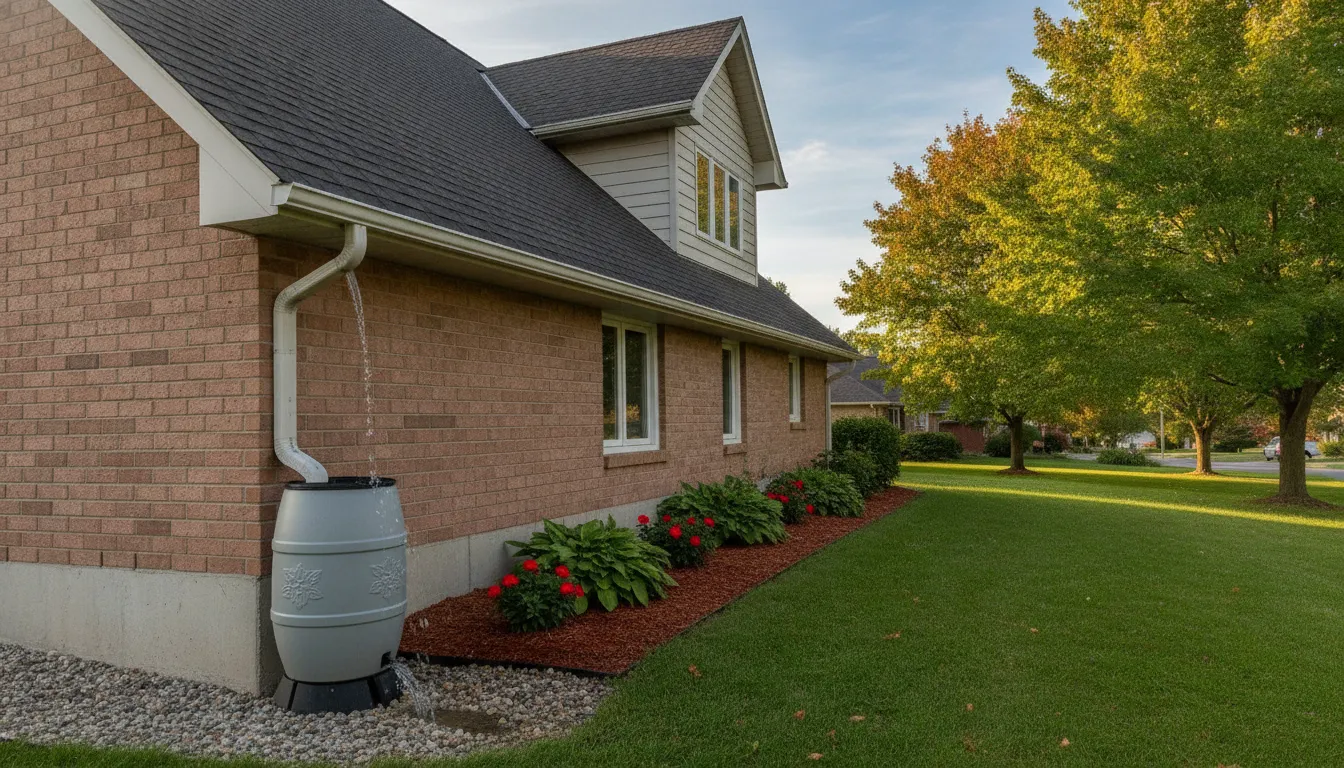
What are eavestroughs and why do they matter for my foundation?
Eavestroughs (gutters) collect roof runoff and channel it away from your roofline and foundation; properly sized, sloped, and maintained eavestroughs prevent soil erosion, basement leaks, and freeze–thaw damage that threaten a home's structure.
Basic definition
An eavestrough is the horizontal channel mounted along the roof edge that directs rain and melted snow into downspouts. Downspouts carry water from the trough to a controlled discharge point such as a splash pad, extension, or underground drain.
How they protect foundations
By directing water away from the foundation, eavestroughs reduce hydrostatic pressure against basement walls and limit saturated soil that causes settlement or heaving. Without functioning troughs, large roof flows concentrate near the house during storms and spring melt—common causes of basement dampness.
Common materials and profiles
Typical materials are aluminum (lightweight, corrosion resistant), galvanized steel (strong but can rust over time), vinyl (cheap, brittle in cold), and copper (durable and expensive). Profiles include K-style and half-round; K-style is most common on modern homes because it blends strength with capacity.
Sizing and slope basics
Eavestrough capacity depends on roof area draining to the run: larger roofs or those with steep pitches need bigger troughs or more downspouts. Proper pitch is small but continuous—typically 1/8 to 1/4 inch drop per 10 feet—to keep water moving toward downspouts.
Step-by-Step: Eavestroughs 101: Protecting Your Foundation From Roof Runoff
Below is a practical, homeowner-focused sequence for assessing, repairing, or replacing eavestroughs so runoff won't threaten your foundation.
- 1
Inspect the system
Start with a ground-level look and then a ladder inspection: check for sagging sections, visible holes, loose hangers, and downspout blockages. Do this in spring and fall, and after major storms—Vaughan's freeze–thaw cycles mean problems can appear quickly.
- 2
Document issues and measure
Photograph problem areas and measure trough length, downspout locations, and roof area draining to each section. Good documentation helps you compare repair estimates and, if relevant, supports insurance or warranty discussions—verify timelines with your insurer and local building office.
- 3
Decide repair vs. replace
Small holes, a few loose hangers, or short sections of corrosion can be repaired; continuous rust, warping, or undersized troughs servicing a large roof usually mean replacement. Consider material lifespan: aluminum often lasts 20–30 years, while copper can go much longer.
- 4
Plan discharge and grading
Ensure downspouts discharge at least 1.5–2 metres away from the foundation or into a proper underground drain. If yard grading slopes toward the house, add extensions, splash blocks, or regrade to maintain a positive slope away from the foundation.
- 5
Hire a qualified contractor or DIY carefully
For complex replacements, multiple-story homes, or when fascia/soffit damage exists, hire a licensed roofing or eavestrough pro. For simple maintenance—cleaning, tightening hangers, patching small holes—a competent DIYer can manage with proper ladder safety and the right tools.
- 6
Maintain seasonally
Clean troughs in spring and fall, check after heavy leaf fall and ice storms (common around Toronto time zone weather patterns). Consider installing guards, but remember guards reduce maintenance—they don't eliminate it.
Mistakes to Avoid
Many costly foundation problems start with simple eavestrough mistakes. Avoid shortcuts, poor decisions around materials and discharge, and delayed maintenance—these are common, preventable, and often grow expensive over time.
Ignoring small leaks and sagging
A small leak or a sagging section disrupts flow and causes water to pool and overflow during heavy rain or rapid snowmelt. Addressing these problems early (tighten fasteners, resecure hangers, patch holes) is far cheaper than fixing basement water damage or foundation repairs later.
Undersizing troughs or too few downspouts
Installing the wrong size system reduces capacity and increases overflow risk. When replacing, calculate roof area per run and add downspouts so each handles manageable flow; contractors should follow industry guidelines—ask them to explain their sizing rationale.
Pointing discharge at the house or onto frozen surfaces
Never direct downspouts to discharge against the foundation, into a low spot beside the house, or where water will freeze and back up against the wall. In Vaughan and York Region winters, frozen discharge can cause ice dams and localized seepage—use extensions and proper grading to mitigate this.
Relying entirely on gutter guards
Gutter guards reduce debris but do not prevent all clogs, and they can hide problems under the surface. Continue periodic inspections and occasional cleaning even with guards installed.
What Affects Your Outcome
Several practical factors determine how smoothly eavestrough work and repairs go.
Climate and seasons
Vaughan and surrounding York Region experience freeze–thaw cycles and heavy spring melt; timing repairs before freeze reduces the chance of winter ice damage and foundation seepage.
Quality of documentation
Clear photos, measurements, and notes speed estimates, make permit discussions easier, and help with insurance conversations—good records reduce confusion and disputes.
Contractor choice and experience
A contractor familiar with local houses—from Thornhill to Maple and Kleinburg—understands common roof pitches, soffit styles, and municipal expectations. Check local references, licences, and examples of nearby work.
Permit and local rules
Most eavestrough jobs don't need building permits, but alterations to drainage or installing underground drains can trigger local bylaws in Vaughan or York Region—verify with the township office before major changes.
Type of insurance and claims norms
Home insurance policies vary; damage caused by sudden storms may be treated differently than wear-and-tear. If you expect a claim, notify your insurer early and confirm claim requirements—policies and timelines differ, so verify with your insurer locally.
House age and construction
Older homes often have wood fascia or non-standard rooflines that require custom solutions, while newer builds may use modern soffit systems compatible with certain hanger types.
Frequently Asked Questions
How often should I clean my eavestroughs in Vaughan?
At minimum, clean them in spring and fall, and after major storms or heavy leaf drop. Properties near mature trees or in areas that see frequent storms may need quarterly checks to prevent clogs and ice buildup.
Can I fix a sagging gutter myself?
Minor sagging can often be corrected by tightening or adding hangers and clearing debris, but work at height carries risk. If sagging is widespread, fascia is rotten, or the home is two storeys or higher, hire a pro for a safe, long-term repair.
Do I need to regrade my yard when replacing gutters?
Not always, but if water still pools near the foundation after gutters and downspout work, regrading to create a slope away from the house can be necessary. A typical target is a slope of at least 2% (about 2 cm drop per metre) away from the foundation—verify local best practices.
Are gutter guards worth the cost?
Gutter guards reduce how often you have to clean gutters but don’t eliminate maintenance entirely. They can be a good investment if you accept occasional manual checks and choose a guard compatible with your roof, leaf types, and local winter conditions.
How do I know if my eavestroughs are undersized?
Frequent overflow during moderate rain, repeated ice formation, or signs of water staining on siding or foundation suggest undersized capacity. A pro can calculate roof catchment area and recommend larger troughs or additional downspouts.
Will my home insurance cover eavestrough repairs?
Insurance covers sudden, accidental damage in many policies but generally not normal wear and tear or poor maintenance. If you think damage is claimable, document the issue promptly and contact your insurer—rules vary by policy and by province, so verify with your insurer and provide clear photos and dates.
Free eavestrough inspection and runoff assessment
Schedule a no-cost, no-pressure check of your eavestroughs, downspouts, and grade to protect your foundation in Vaughan, ON.
Get a Free Quote